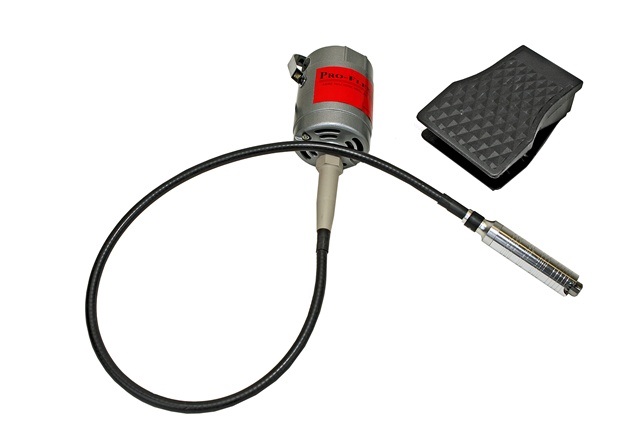
Pro-Flex Economy Flexible Shaft System
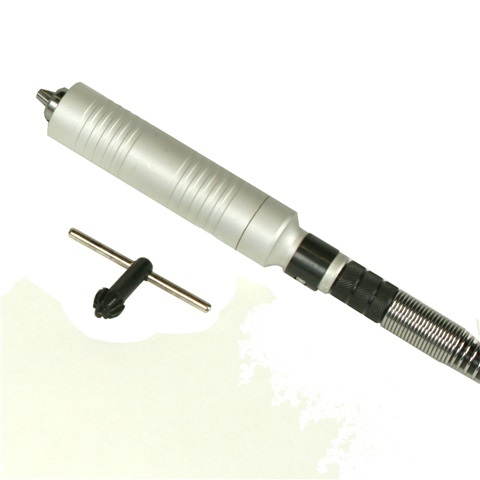
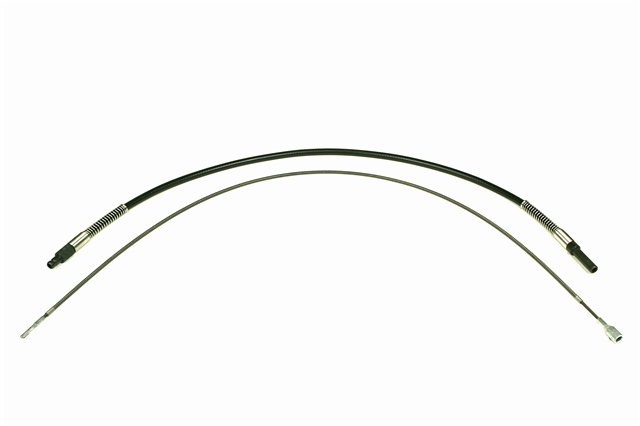
Dont let the word “Economy” in the description of our Jewelers Flex Shaft Motor fool you. We use the same inner spring and outer sheath as found in units that’s double in price. You’ll love all the performance our Flex Shaft Motor provides at the entry level price.
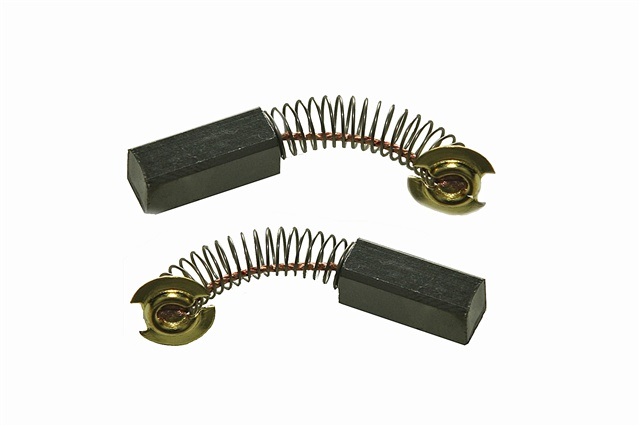
We Stock all the parts you’ll ever need to maintain the optimal performance of your Jewelers Flex Shaft Motor.
- Motor HP: 1/8
- Motor RPM: 0-18,000
Request a Quote
We appreciate your interest. Drop your name and contact info and we'll assist you in getting the machines that you need.
Essential Rotary Systems for Jewelers
Flexible Shafts vs. Micromotors
Achieving flawless results in jewelry fabrication, stone setting, and watch repair demands extreme precision. Dynamic rotary equipment provides the exact RPM control and ergonomic freedom required for meticulous bench tasks, including piercing, carving, texturing, and high-shine buffing.
A complete inventory of high-caliber motor kits, handpieces, foot pedals, and replacement components is vital for modern studios, custom fabricators, and commercial repair houses.
The Versatility of the Flexible Shaft
A flexible shaft system uses a remote motor that transmits rotational power to a handheld attachment through a long, flexible cable. Isolating the heavy motorized component away from your hand maximizes torque and versatility, making it a rugged choice for demanding, day-to-day studio projects.
Common Bench Applications
- Hole Drilling: Creating exact openings in metals, modeling waxes, plastics, and resins.
- Surface Refining: Shaping, truing, and smoothing out raw castings or fabricated components.
- Bright Finishing: Buffing and polishing hard-to-reach prongs, bezels, channels, and mountings.
- Texture & Detail Work: Running specialized burs, abrasive wheels, and detail brushes.
- Restricted Access: Reaching deep recesses with superior mechanical leverage.
The Precision of Micromotors
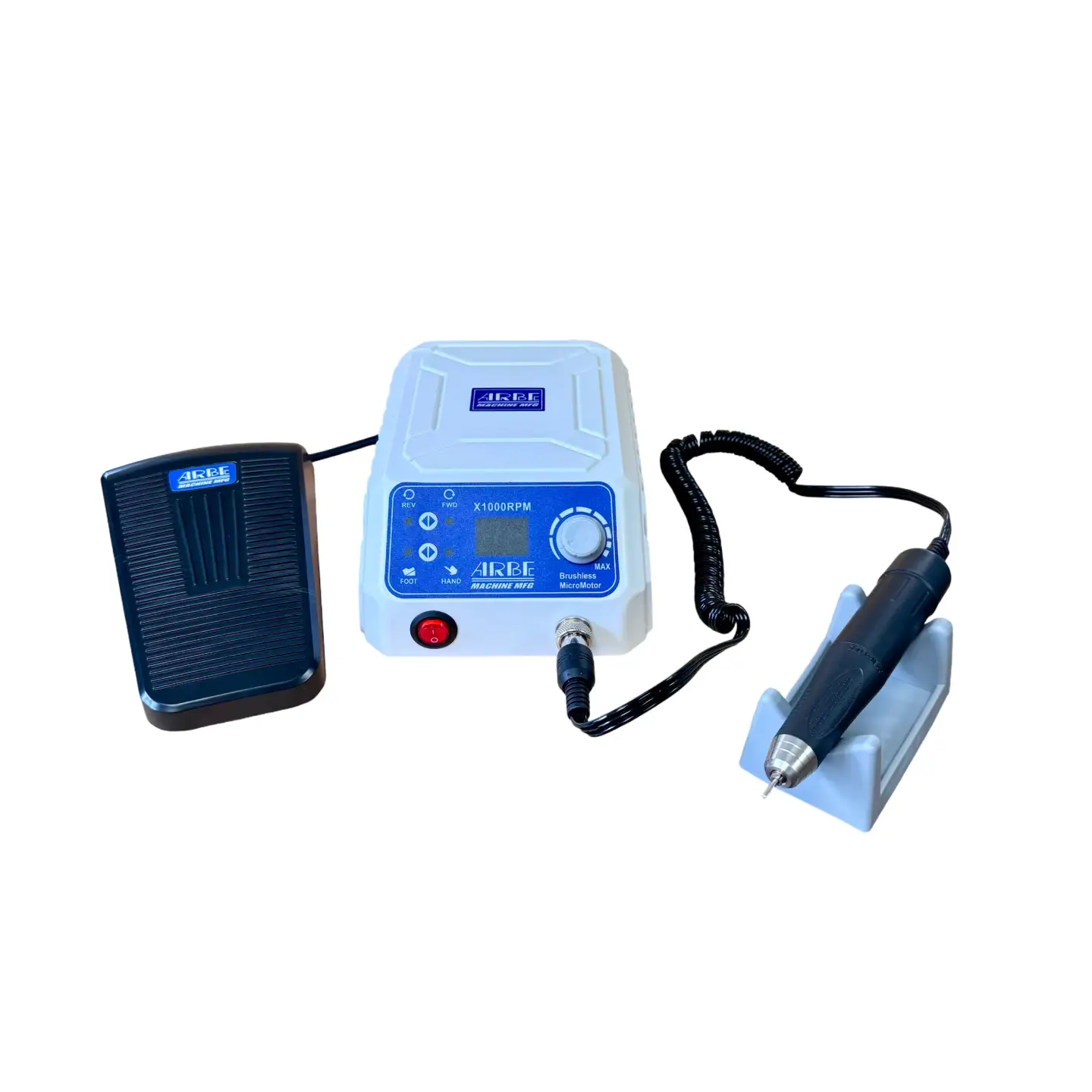
Micromotor systems utilize a highly compact, self-contained motorized handpiece linked to a digital control console via a thin cord. These setups excel during high-speed tasks where low vibration, ultra-smooth speed transition, and a featherweight grip are necessary. They are perfect for delicate stone setting, intricate engraving prep, micro-carving, and meticulous finishing.
Choosing the Ideal System for Your Workspace
While both systems are valuable assets in a jewelry workshop, they satisfy different operational demands:
- Opt for a Flexible Shaft if: You need an all-purpose, high-torque workhorse for heavy material removal, routine repairs, drilling, and multi-stage polishing.
- Opt for a Micromotor if: Your projects require high-speed precision, a lightweight grip to reduce physical fatigue, and intricate detailing capabilities.
- Invest in Both if: Your business operates as a high-volume studio handling everything from heavy casting cleanup to fragile gem placement.
- Maximizing Bench Efficiency
The efficiency of a rotary setup depends heavily on its configuration. Swapping between specialized handpieces—such as quick-change models, stone-setting hammer attachments, or unique collets—allows you to quickly transition from one task to the next. Additionally, sensitive foot controls let you adjust speeds dynamically, allowing both hands to stay safely focused on the workpiece.
FAQ
What is the main distinction between a flexible shaft and a micromotor?
A flexible shaft features a separate overhead or bench-mounted motor that transfers power through a flexible cable to a hand attachment. A micromotor incorporates the motor directly inside the handpiece itself, connecting via a simple power line to a desktop console for smoother, high-speed performance.
Is a flexible shaft mandatory for a jewelry workshop?
For nearly every professional bench, yes. Its multi-functional capabilities across core tasks like drilling, grinding, and polishing make it an indispensable foundation for daily commerce.
What is the best RPM setting for jewelry production?
The correct speed depends on the application. Lower rotational speeds prevent melting or overheating during delicate stone setting and wax carving, whereas higher speeds are required for efficient metal drilling and final high-gloss finishes.
Are micromotors effective for gemstone setting?
Yes. The minimal vibration and lightweight design of a micromotor handpiece provide the exceptional tactile feedback needed when using burs and hammer tips near valuable stones.
Which accessories should be purchased first?
Start with a diverse assortment of burs, drill bits, and abrasive discs. Expand your capabilities over time by adding quick-change handpieces, variable collet sizes, replacement drive shafts, and responsive foot pedals.